94 Acres
An indigenous Commiphora–Acacia bushland landscape where habitat protection and biodiversity conservation are important priorities.
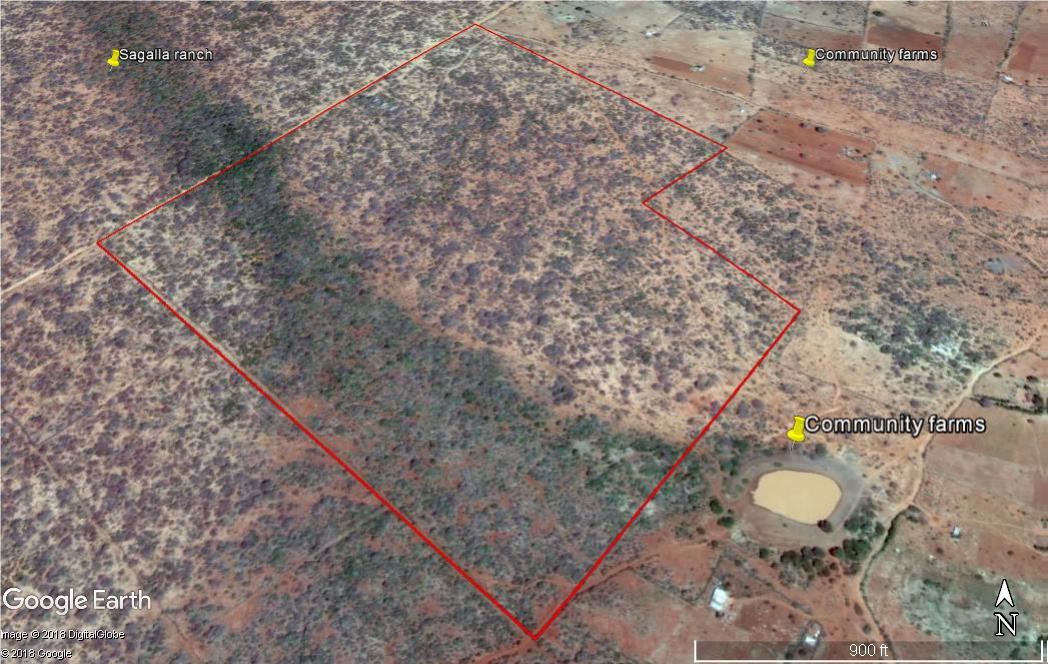
Chalongo Conservancy covers approximately 94 acres in Marungu Ward, Voi Sub-County, Taita Taveta County. Its indigenous Commiphora–Acacia bushland forms part of a landscape where habitat protection and wildlife movement are important conservation priorities.
An indigenous Commiphora–Acacia bushland landscape where habitat protection and biodiversity conservation are important priorities.
Located in Marungu Ward, approximately 8 kilometres south of Tsavo East National Park in Taita Taveta County.
The conservancy adjoins Sagalla Ranch along its western boundary. That western connection remains open to support wildlife movement.
Our long-term approach combines habitat protection, biodiversity conservation, environmental management, community participation and carefully planned eco-tourism.
Protecting natural habitats, supporting biodiversity and building a future where communities and wildlife can thrive.
Protecting indigenous bushland, supporting tree propagation and addressing habitat degradation are central to the conservancy’s long-term vision.
↗
02
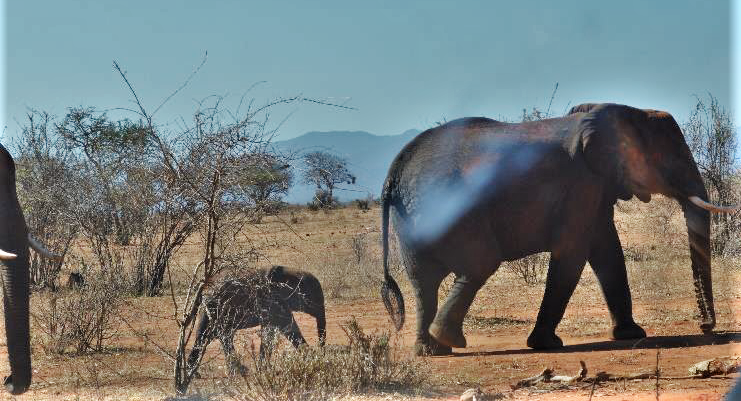
The conservancy adjoins Sagalla Ranch along an open western boundary. Its management approach recognises the importance of wildlife movement through the wider landscape.
↗Tree nursery activities, invasive-species management and water development feature in the conservancy’s conservation and management plans.
↗
04
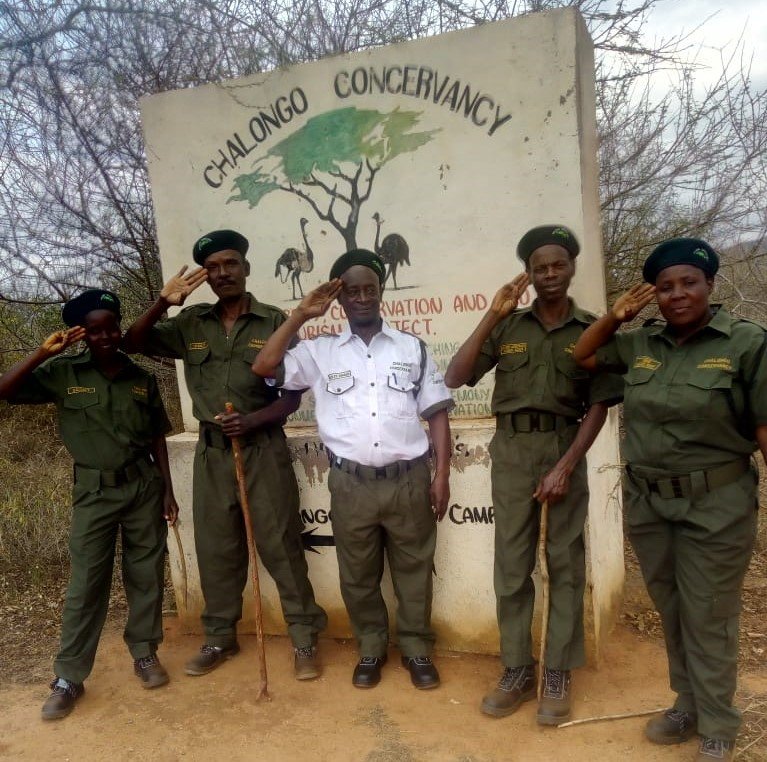
Community scouting, environmental education and local participation are part of the documented approach to conservation and future development.
↗An overview of the conservancy's landscape, documented biodiversity and management planning cycle.
Approximate conservation project area.
Bird species documented in the March 2018 KWS inventory.
Mammal species documented in the March 2018 KWS inventory.
Documented management-plan cycle.
The biodiversity figures above come from a Kenya Wildlife Service Tsavo Research Station inventory conducted in March 2018. They represent a documented baseline, not a current wildlife census. The profile also reports a diverse reptile and amphibian assemblage.
Conservation is part of a wider landscape shared by wildlife and people. In Marungu, drought, water scarcity, land degradation and human-wildlife conflict are among the challenges identified in the conservancy’s profile.
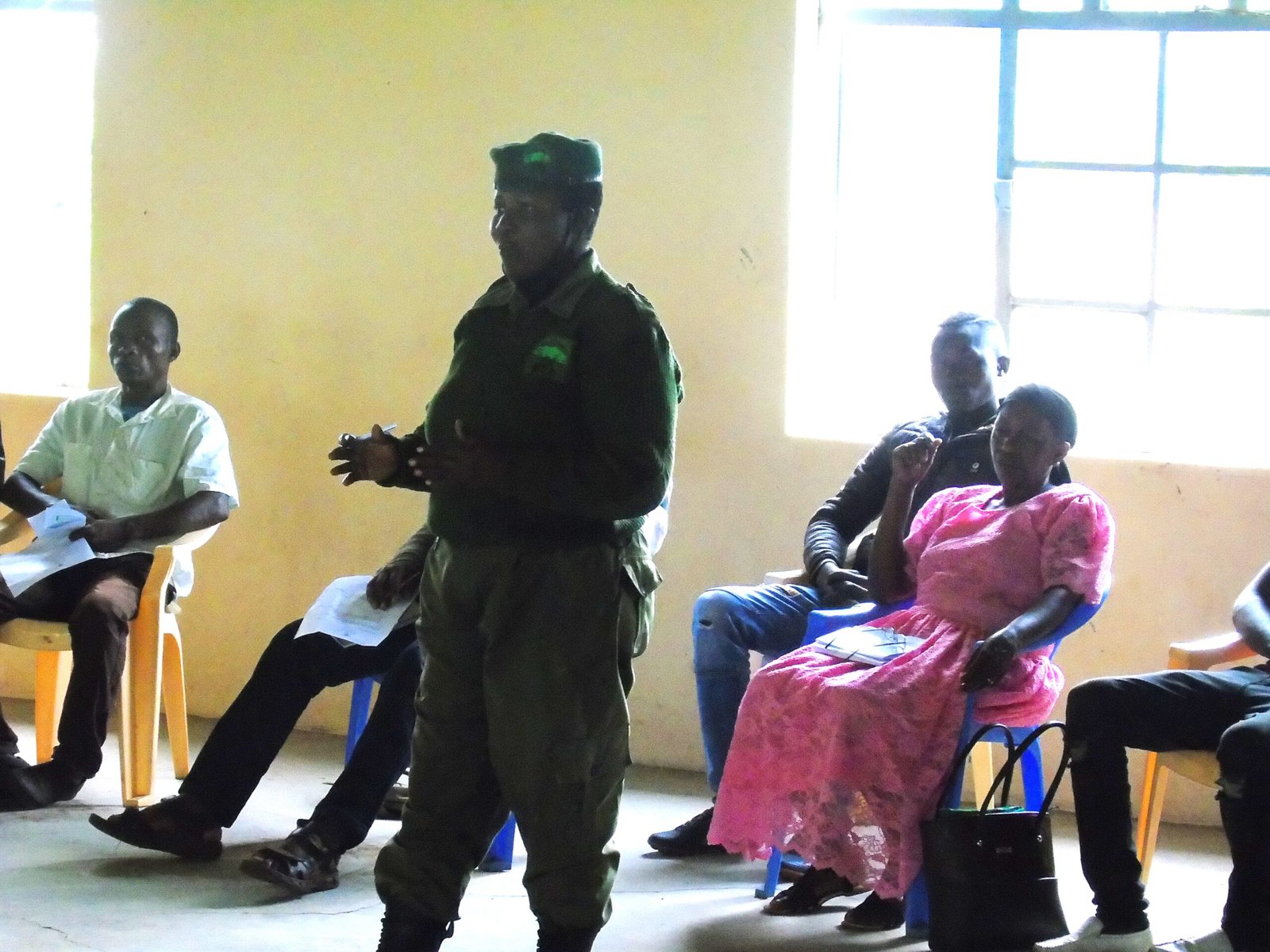
Chalongo’s management approach includes community scouting, environmental education, tree propagation and plans for improved water infrastructure. Future initiatives are intended to support both ecological protection and opportunities for local participation.
The conservancy’s profile also identifies a commitment to allocate 10% of gross revenue from income-generating activities to direct community development projects.
The applicable revenue categories, implementation arrangements and reporting process should be confirmed before publishing a detailed public commitment.
Chalongo has identified opportunities for further development that can strengthen habitat protection, improve water security, support environmental learning and create opportunities for responsible community participation.
Expansion of indigenous tree nursery and habitat restoration activities.
Water pans, boreholes and other water-security infrastructure.
Phased, low-impact eco-tourism and education facilities.
Biodiversity research, monitoring and environmental learning.
Partnerships that support community livelihoods and conservation.
These opportunities are part of a planned development pipeline. Proposed accommodation, educational facilities and other visitor infrastructure should not be advertised as operational until their completion and availability have been confirmed.
Conservation is a shared responsibility. Protecting natural habitats, supporting wildlife and creating opportunities for local communities requires collaboration and long-term commitment.
Chalongo Conservancy welcomes engagement with conservation organisations, researchers, development partners, responsible tourism operators and individuals who share an interest in protecting this landscape.